
The modern world is all about digitization, and thus your site is usually the first contact your clients will make with your firm. Before placing a call, asking for a quote, and coming to see you, your clients may access your site and find out what you can offer and whether your firm can be trusted.
The Professional Business Website should not only be good-looking, but it should also demonstrate credibility, give informative content, provide an easy user experience, and encourage visitors to make the next move.
The business site of a professional and trustworthy business site can assist companies located in Princeton, TX, to make a good impression on their local clients.
But what makes a business website look professional and trustworthy? Let’s explore the key elements.
1. Clean and Professional Website Design
Your website’s design is an important factor when it comes to influencing what people think of your business. A messy website, outdated images, clashing colors, or a hard-to-navigate site can cause this.
A professional website should have:
- A clean and organized layout
- Consistent branding
- Easy-to-read typography
- High-quality images
- Clear navigation
- Balanced spacing
- Professional color combinations
- Strong visual hierarchy
Your website does not have to be cluttered with lots of animations or design elements to make a good impression.
It is often the case that a simple design structure will do a better job. A Business design is what you need for your business website.
2. Clear Information About Your Business
Visitors should understand what your business does within a few seconds of arriving on your website.
Your homepage should clearly communicate:
- What products or services you provide
- Who your customers are
- What makes your business different
- Where you operate
- What action visitors should take next
Do not use ambiguous statements like “We deliver innovative solutions” without elaborating on what your company actually delivers.
For instance, a service business operating from Princeton, TX, must make clear what its services are and where it provides these services. Visitors would need some facts to decide if your business can satisfy their demands.
Clarity is one of the key components of website credibility as your customers should not have to look for this information across several pages of your website.
3. Consistent Branding
The look of your website needs to match your overall brand.
Your logo, color scheme, fonts, photos, and even your wording should all be consistent between your website and your marketing.
Brand consistency can help customers recognize your business across:
- Websites
- Social media profiles
- Business cards
- Advertisements
- Email marketing
- Printed materials
- Storefront signage
If your website uses different branding from your social media pages or other business listings, visitors may become uncertain about whether they have reached the correct company.
A professional web design team can help create a consistent visual identity that supports your business goals.
4. Easy-to-Find Contact Information
A trustworthy Business Website should make it easy for customers to contact you.
Your phone number, email address, contact form, and business location should be accessible without unnecessary effort.
Consider placing contact information in:
- The website header
- The navigation menu
- The footer
- The Contact page
- Relevant service pages
If your business serves customers locally, clearly display your service area and location information where appropriate.
For mobile users, a clickable phone number can make contacting your business more convenient. Contact forms should also be tested regularly to ensure customer messages are received correctly.
5. Mobile-Friendly Website Experience
Many people access websites using smartphones and tablets. Therefore, a professional business website must function properly across different screen sizes.
A mobile-friendly website should offer:
- Readable text
- Responsive layouts
- Easy-to-use menus
- Mobile-friendly buttons
- Fast-loading pages
- Properly sized images
- Simple contact forms
A website that looks excellent on a desktop but is difficult to use on a smartphone can create a negative impression.
De’Logo Studio highlights responsive, mobile-friendly, and user-friendly website development as part of its website design services.
For businesses in Princeton, TX, mobile responsiveness is especially important because customers may search for local products and services while traveling or away from their computers.
6. Genuine Reviews and Testimonials
Customer reviews can help build confidence by showing that other people have interacted with your business.
However, reviews should be genuine, relevant, and presented accurately. Avoid publishing invented testimonials or making claims that cannot be verified.
Useful trust-building content may include:
- Genuine customer reviews
- Relevant case studies
- Project examples
- Customer success stories
- Properly attributed testimonials
- Links to trusted review platforms
The most effective proof is often specific. Instead of using a generic statement such as “Our customers love us,” show authentic feedback or examples that explain what customers appreciated.
Reviews should support your claims rather than replace clear information about your services.
7. High-Quality and Relevant Images
Images can influence how visitors perceive the quality and credibility of your business.
Whenever possible, use photographs that accurately represent your company, team, products, services, or completed projects.
For example:
- A restaurant can show real food and its location.
- A contractor can display completed projects.
- A salon can share photographs of its work.
- A professional service company can include team and office images.
- An e-commerce business can use accurate product photography.
Stock images may be useful in certain situations, but they should not misrepresent your business.
Real and relevant visuals can help customers understand what they can expect from your company.
8. Fast Loading Speed and Reliable Functionality
Professional sites need to operate well.
Pages taking too long to load, broken links, missing images, error pages, and form problems will create an impression of carelessness.
Your website should be checked regularly for:
- Page loading issues
- Broken links
- Missing images
- Contact form errors
- Outdated information
- Mobile usability problems
- Security warnings
- Navigation issues
Website performance also affects user experience. Visitors are more likely to continue exploring a website when pages load efficiently, and the information is easy to access.
Technical maintenance should therefore be considered an ongoing part of managing a Business Website.
9. Secure Browsing and Transparent Policies
This problem only grows when a site is going to collect personal details or do transactions.
If you have contact forms, customer accounts, reservations, or any other e-commerce elements on your site, visitors need to trust you.
Important considerations may include:
- HTTPS security
- Clear privacy information
- Secure payment processing
- Accurate terms and conditions
- Transparent refund or cancellation policies
- Appropriate data protection practices
Your website should not make promises about security or privacy that your business cannot support. Clear and accurate information is more valuable than exaggerated claims.
10. Clear Calls to Action
A professional website should guide visitors toward the next appropriate step.
Depending on your business, your call to action might encourage visitors to:
- Call your business
- Request a quote
- Book an appointment
- Purchase a product
- Send an inquiry
- Schedule a consultation
- Subscribe to updates
The calls to action must be evident and appropriate for the page.
This means that a service page could have a button like “Request a Quote,” whereas a product page could feature “Add to Cart” or “Buy Now.”
The visitors should not be bombarded by numerous buttons that compete with each other.
11. Helpful and Updated Content
A trustworthy website should contain accurate and useful information.
Outdated service descriptions, incorrect business hours, old promotions, and broken resource links can reduce customer confidence.
Keep your website updated with:
- Current business information
- Accurate service descriptions
- Updated contact details
- Recent project examples
- Helpful blog posts
- Current pricing information, where applicable
- Updated policies
A blog can also help answer common customer questions and demonstrate knowledge about your industry.
For businesses targeting customers in Princeton, TX, useful local content can help explain services, service areas, and solutions relevant to the community.
12. Professional About and Service Pages
Customers often want to know who they are dealing with before making a decision.
An informative About page will help your visitors learn about you, your experience, principles, and employees. Service pages need to give detailed information about what service you offer, who it is for, and how visitors can sign up.
Each service page needs to give specific details rather than just marketing phrases.
For example, a web development company might create separate pages for:
- Website Design
- E-Commerce Development
- Mobile App Development
- Web Application Development
- Digital Marketing
Detailed service pages make it easier for visitors to understand your capabilities and find the solution they need.
Why Choose De’Logo Studio for a Professional Business Website?
De’Logo Studio provides website design and development services for businesses, including custom websites, e-commerce websites, CMS solutions, and web applications.
The company emphasizes responsive and user-friendly website experiences designed around individual business requirements. Its services include website design and development using different technologies and platforms, depending on the project.
For businesses in Princeton, TX, a professional website development company can help ensure your website combines attractive design, practical functionality, clear messaging, and a consistent brand experience.
The right development partner should understand your business objectives and build a website that supports customers throughout their online journey.
Professional Business Website Checklist
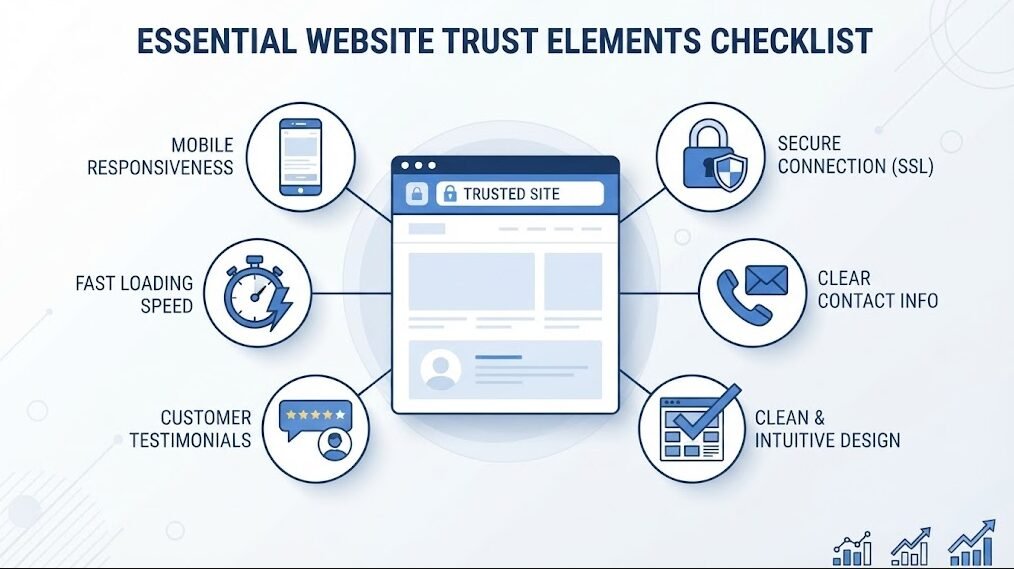
Before launching or redesigning your website, review the following checklist:
- Is your business information clear?
- Does your website look professional and consistent?
- Is your logo and branding used correctly?
- Can visitors easily find your contact information?
- Does the website work well on mobile devices?
- Are your reviews and testimonials genuine?
- Are your images accurate and relevant?
- Do all forms and links work properly?
- Is your website content current?
- Are your calls to action clear?
- Does your website explain your services effectively?
- Is your website secure and regularly maintained?
Addressing these areas can help create a more reliable and professional customer experience.
Final Thoughts
A professional business website experience is earned not only through visually appealing design but also through good communication, proper branding, mobile friendliness, authentic proof of customers, secure functionality, and easy navigation.
When building websites for companies in Princeton, TX, your website needs to be designed in a way that will allow visitors to learn more about the service that your business provides and your brand.
Building a professional website means more than creating an online brochure. This is one of the most important parts of your marketing campaign, customer experience, and reputation.
If your website is looking old-fashioned, takes too much time to load, and doesn’t convey your message, it’s time for a new website. The right approach and website developer will help you create a Business Website that looks professionally made and is trusted by your customers.